Ludwigia Weed Control – Military Area
Project Background
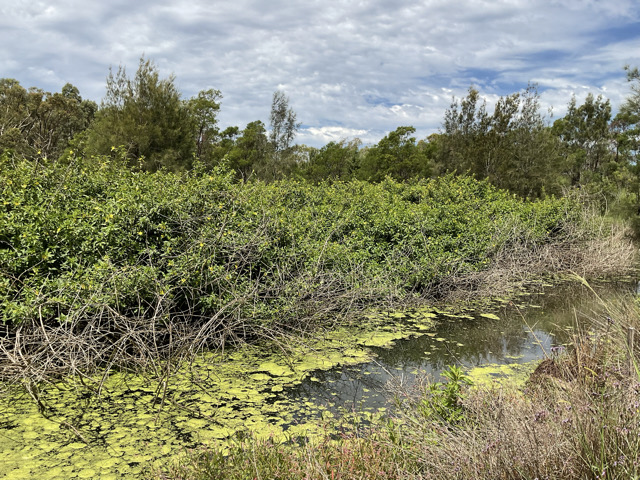
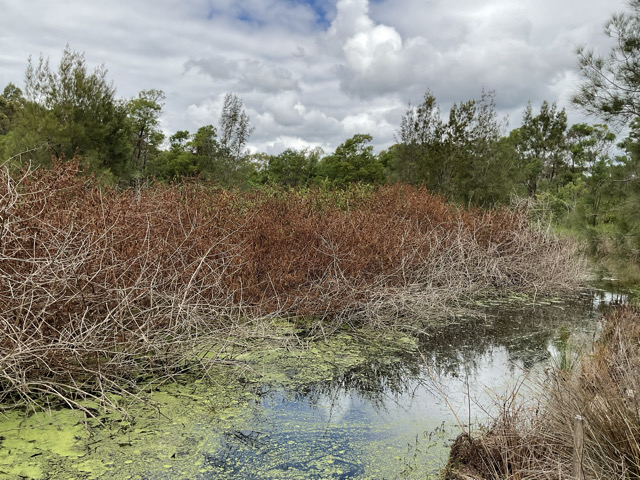
Ludwigia peruviana had aggressively colonised water bodies across the site, forming dense mats that obstructed stormwater flow, blocked drainage systems, and impaired aquatic habitat. These infestations disrupted natural water movement, increased the risk of localized flooding and erosion, and created stagnant conditions that promoted mosquito breeding.
In addition to infrastructure risks, Ludwigia suppressed native plant growth and lowered oxygen availability in the water column, undermining habitat quality for aquatic fauna. The infestation also limited access for maintenance teams, leading to higher long-term management costs and reduced functionality of key hydrological assets.
Without targeted intervention, the infestation would have continued to degrade ecological values and hinder effective water infrastructure management.
Objective
To restore the health and functionality of aquatic ecosystems degraded by Ludwigia peruviana. This involved reactivating natural hydrological processes, supporting the recovery of native aquatic plant species, and improving overall waterway condition. The project also aimed to enhance the site's long-term ecological stability and operational usability by addressing the root causes of aquatic weed dominance.Our Approach
We adopted a staged, integrated control strategy tailored to sensitive aquatic environments. In the initial phase, aquatic-safe mechanical equipment was used to remove thick Ludwigia biomass from creeks, wetlands, and drainage channels—clearing key flow paths while avoiding disturbance to sediment or adjacent riparian vegetation.
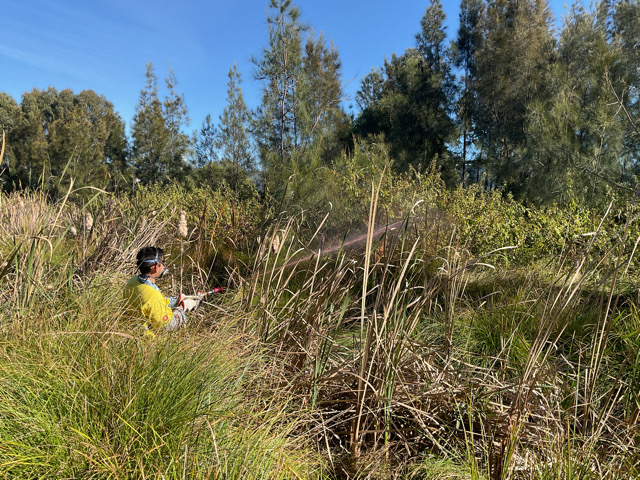
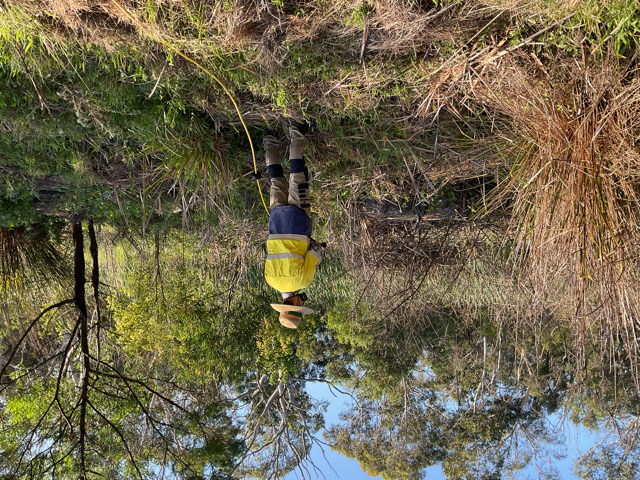
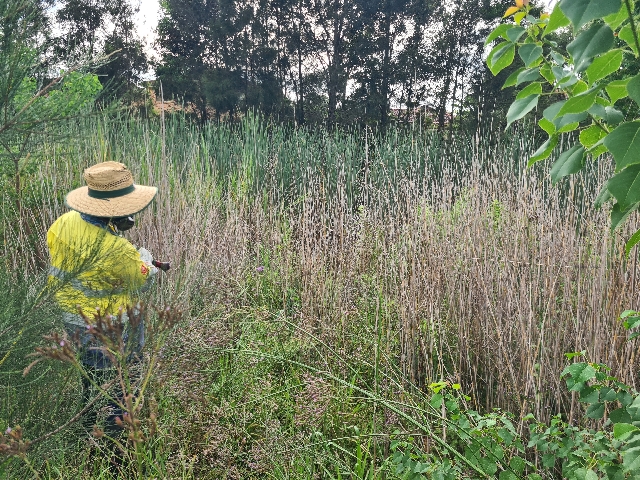
Once physical removal was complete, licensed operators applied targeted herbicide treatments using handheld and backpack sprayers. Formulations were selected specifically for aquatic use to minimise ecological impact and avoid harm to non-target species.
To ensure sustained outcomes, we implemented a GPS-based monitoring system with photographic records to assess regrowth and guide adaptive management. This allowed rapid response to emerging infestations and supported the gradual re-establishment of native aquatic vegetation.
Project Photos