Hunter Site Vegetation Restoration
Project Background
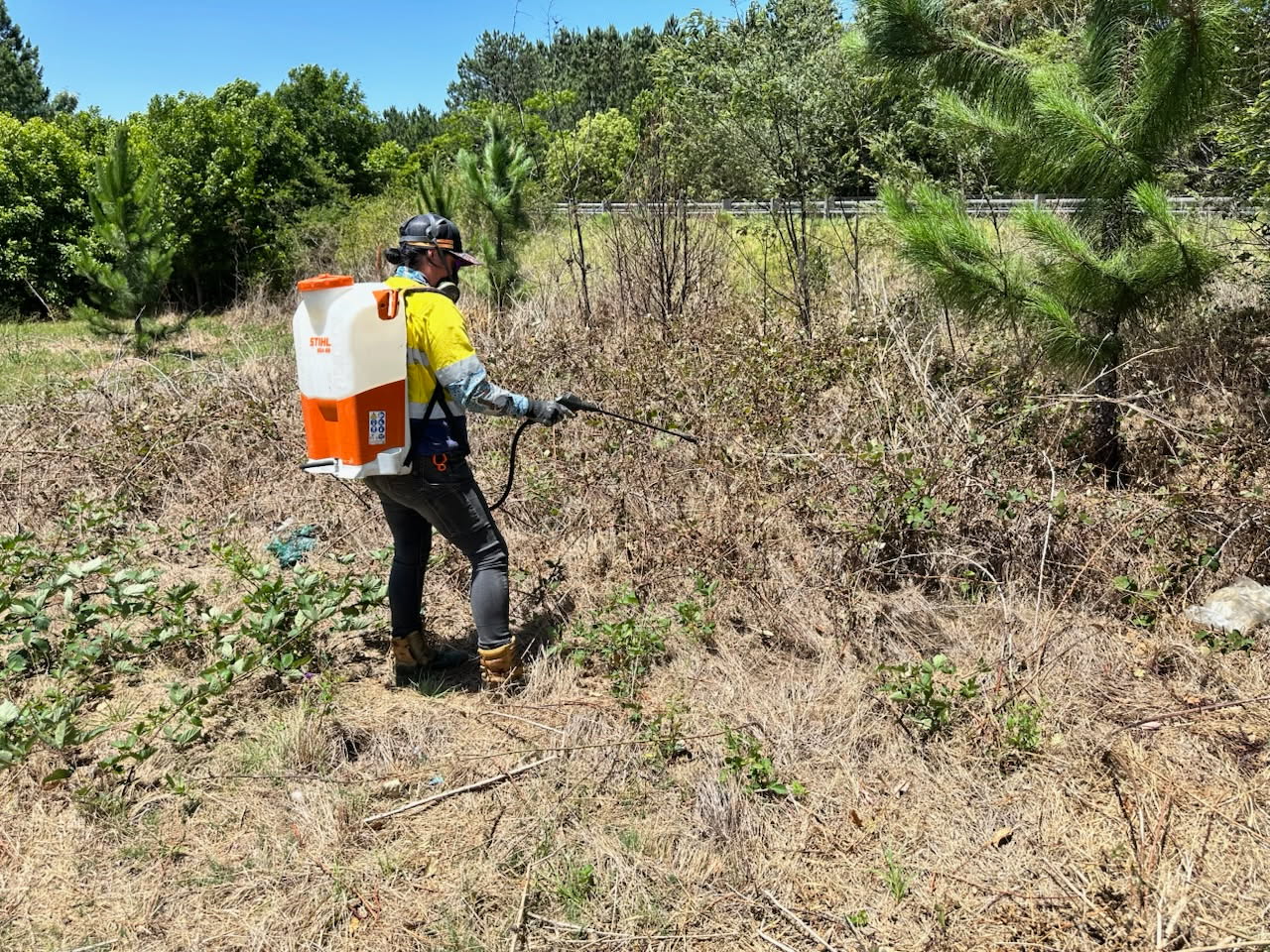
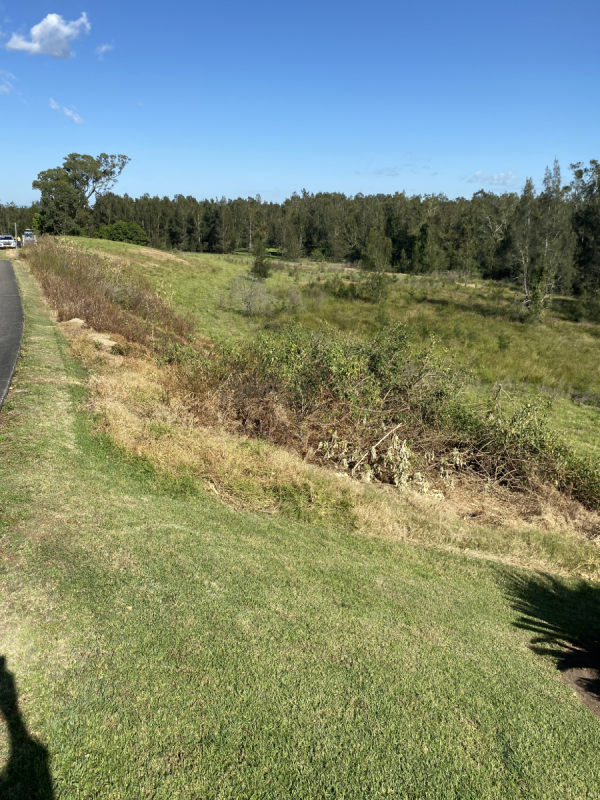
The site had experienced significant vegetation overgrowth, with unmanaged paddocks and boundary zones overrun by tall grass, woody weeds, and regrowth. This compromised the site in three keyways
- Fire hazard: Dry, unmanaged biomass increased the potential for ignition beneath or near sensitive infrastructure.
- Access limitations: Overgrowth restricted vehicle and personnel movement necessary for maintenance, inspections, and emergency responses.
- Non-compliance: Encroaching vegetation conflicted with visual and environmental standards expected in utility-scale solar operations, potentially affecting audit outcomes and service contracts.
Unchecked, these issues could reduce energy efficiency by shading panels, delay response times, and elevate maintenance costs due to reactive, rather than planned, vegetation control.
Objective
To protect solar infrastructure and optimise energy production by restoring vegetation to a manageable condition and implementing long-term maintenance strategies. The goal was to reduce environmental and operational risks—particularly fire hazards—while ensuring full access for maintenance crews and compliance with land management standardsOur Approach
Doorunga deployed a targeted, multi-tiered vegetation management plan tailored to solar farm operating conditions:
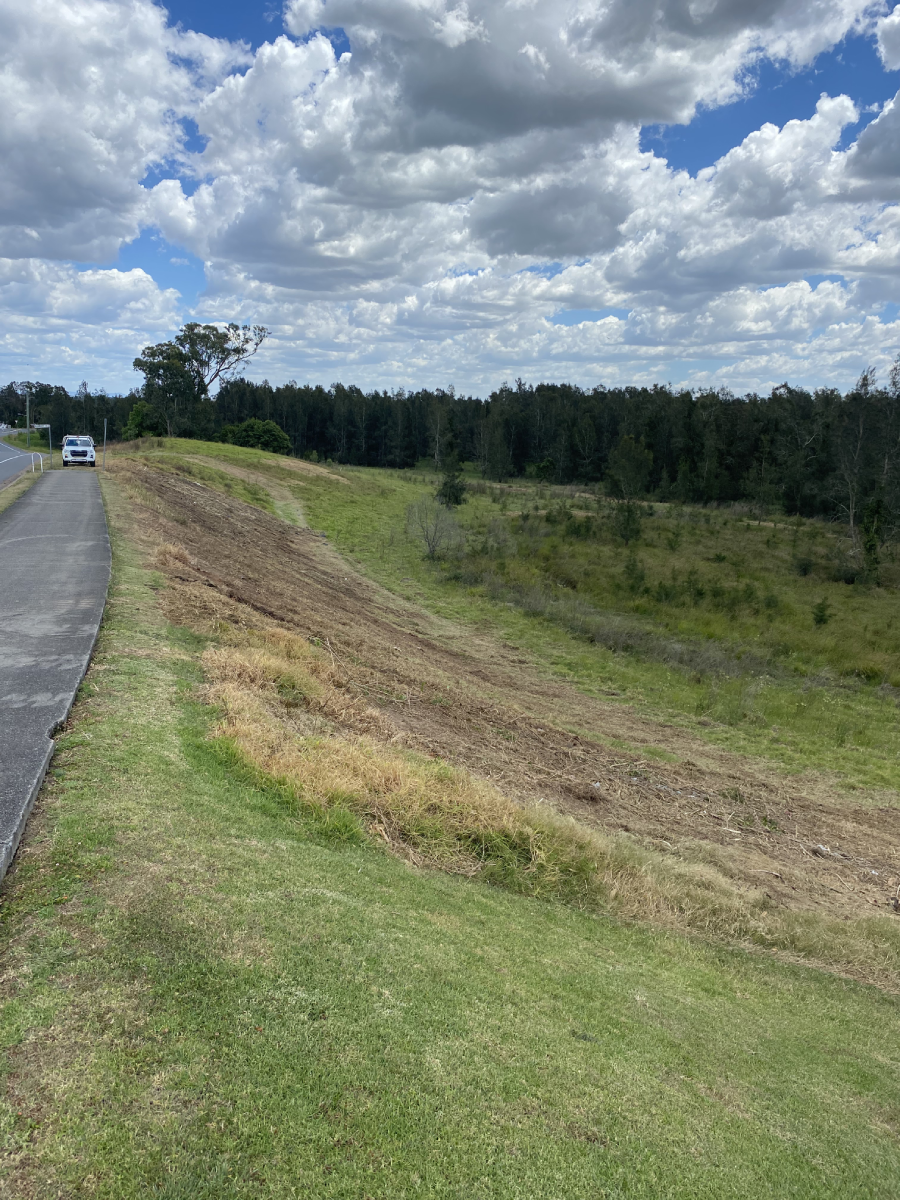
- Mechanical Slashing and Mowing
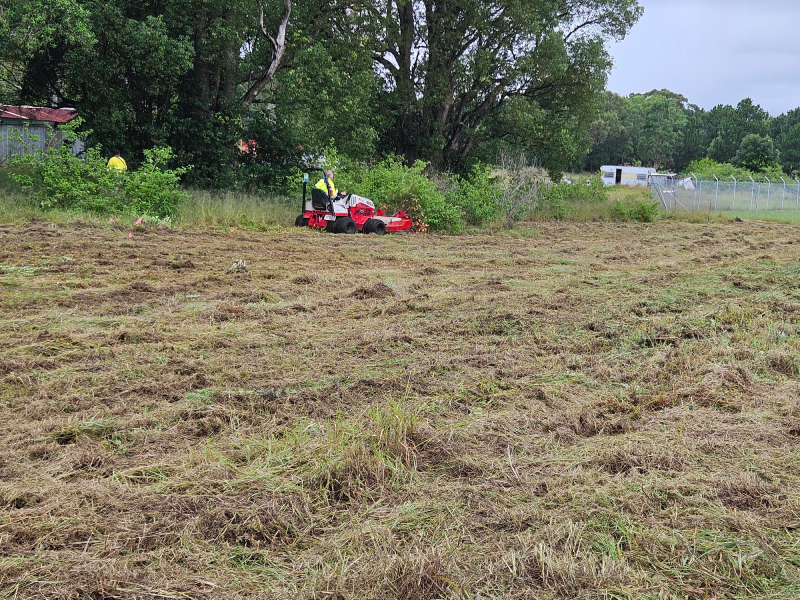
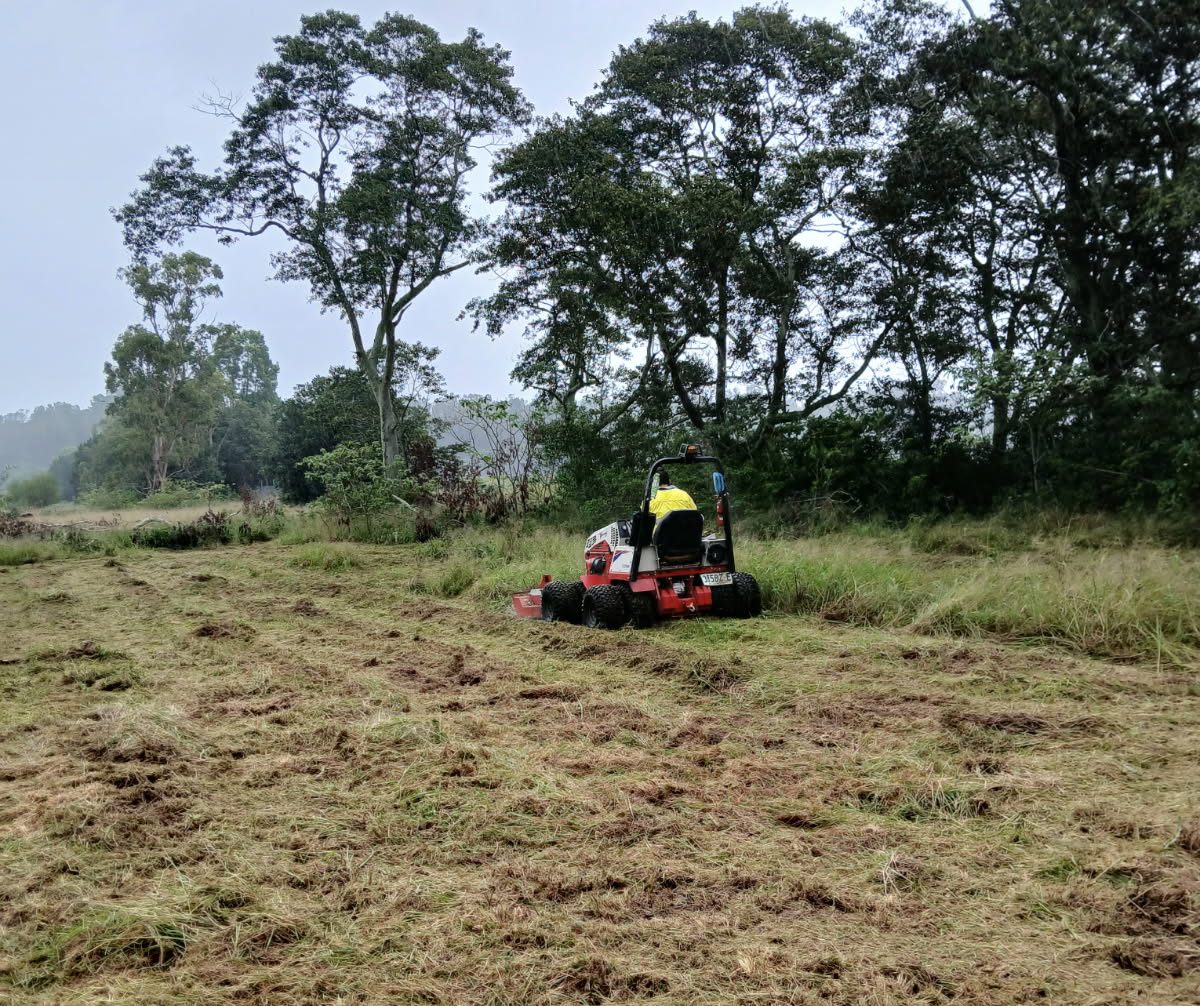
Slashing units and Ventrac’s were used to reduce grassy biomass and restore access across panel corridors and perimeter pathways. These machines provided precision in tight and sloped terrain without disturbing infrastructure - Forestry Mowing in High-Density Zones
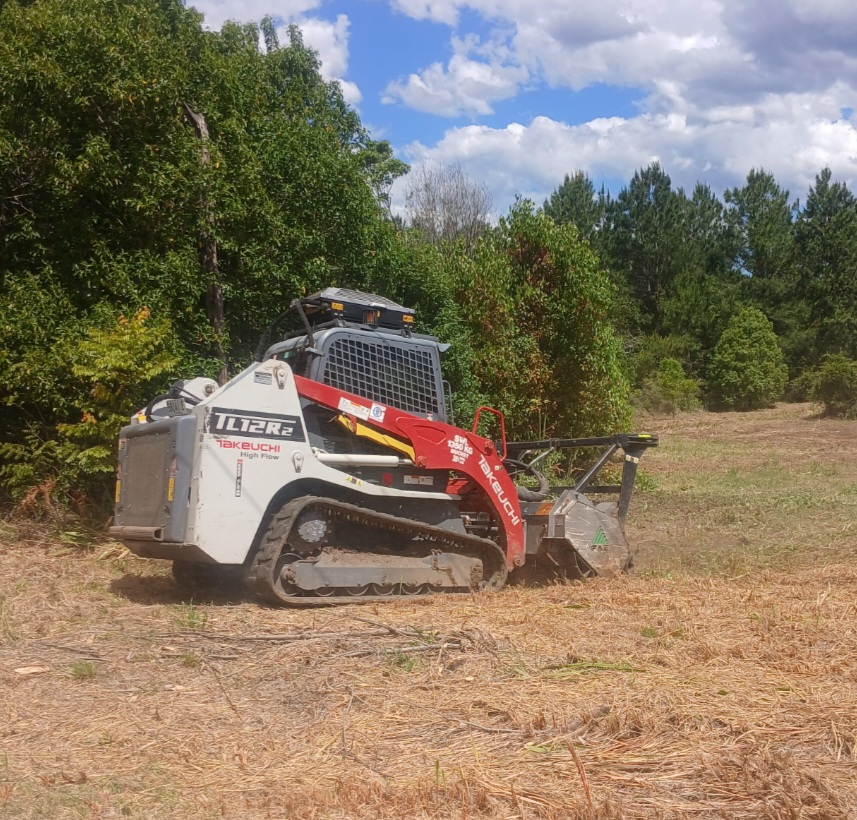
Forestry mowers addressed dense infestations of woody weeds and thick understorey vegetation, particularly along site boundaries. This method enabled bulk reduction of biomass and limited immediate regrowth, decreasing the need for frequent follow-up works. - Manual Epicormic Growth Removal
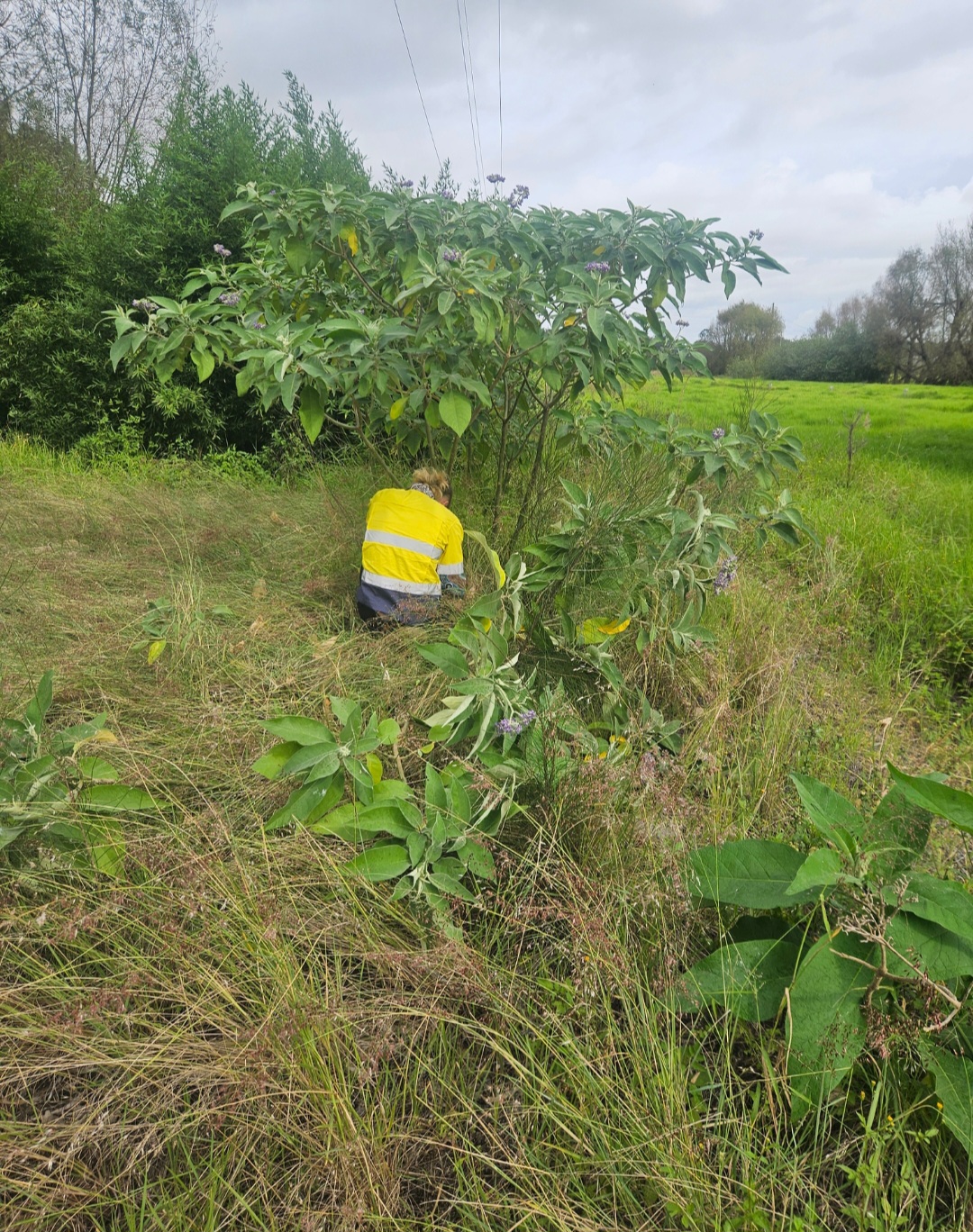
Chainsaws were used to trim epicormic shoots from tree trunks and lower limbs that posed a vertical fire risk. This work was essential in high-risk areas and helped preserve tree structure while maintaining safety clearances.
All activities were executed with attention to erosion control, infrastructure preservation, and environmental sensitivity. The result is a site that meets operational standards, maintains bushfire resilience, and supports efficient, ongoing maintenance regimes.
Project Photos